
June Bulletin – New youtube channel, Cross-border payments demo, Moçambique, Upcoming Trust Framework and more
New Blog Post: Digital Sovereignty in a Fragmented World
Who is really in control of the technology that runs your state? In a new post, Cora Bay makes the case that digital sovereignty isn’t just a political aspiration, it is a concrete architectural choice, that can have its base on public policy. When governments know and own the specifications their infrastructure is built on, they keep the market open, retain the ability to switch providers, and ensure that no vendor dependency becomes a geopolitical vulnerability.
Read the full post to explore how open technical specifications are one of the most powerful tools a government can have.
Mozambique runs its first Women in GovTech Challenge
Twenty women from across Mozambique’s public sector spent one intensive week in Maputo turning ideas into concepts for real digital public services — from birth registration to land tax payment. The winning team, “Municipay,” reimagined land registration and tax payment for citizens. A joint initiative by GovStack, GIZ Mozambique, and the ITU Regional Office for Africa, the challenge is just the beginning: each participant now carries these tools and mindset back into her own institution.
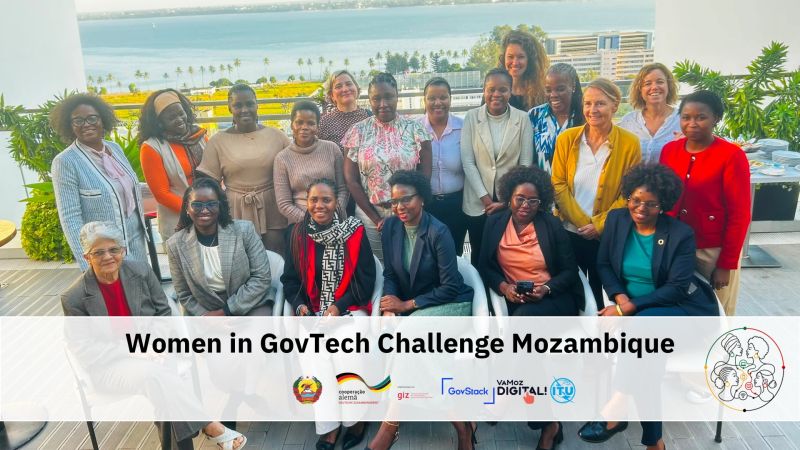
Read the full story on our blog.
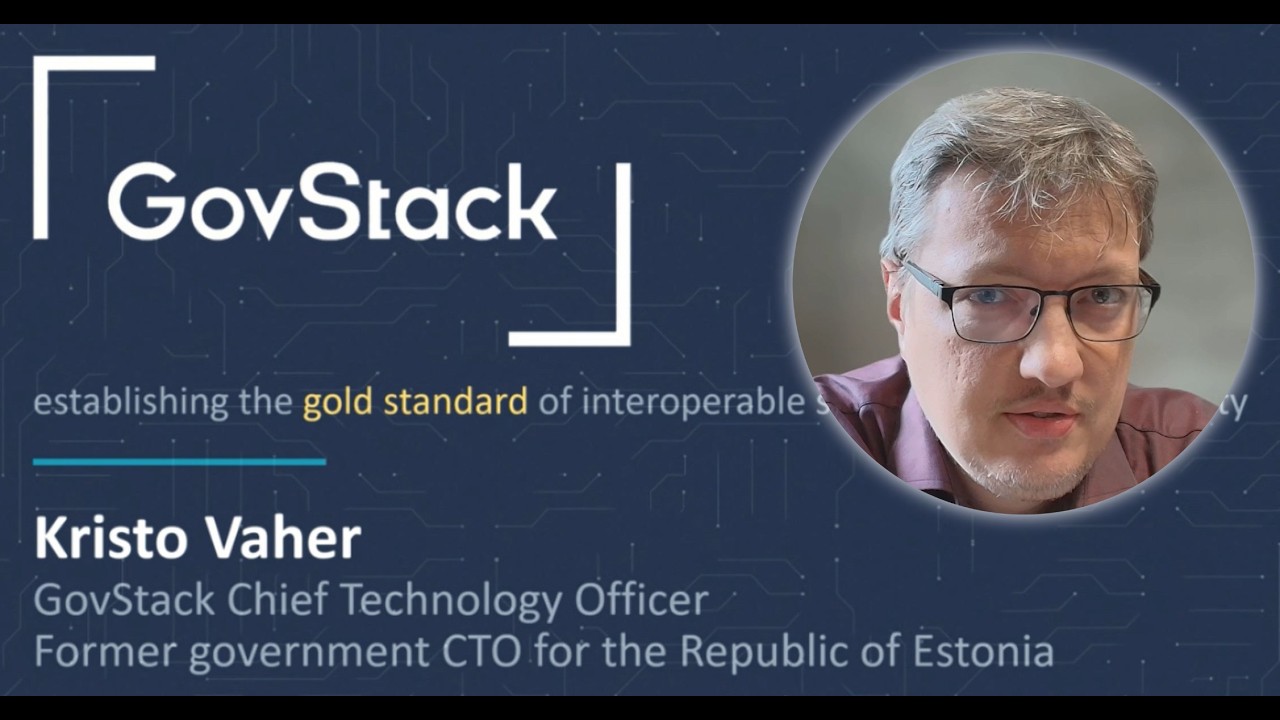
GovStack Launches YouTube Channel with Two New Videos by CTO Kristo Vaher
We’re kicking off our new YouTube channel with two videos from GovStack CTO Kristo Vaher:
What is GovStack — a concise explainer on the GovStack approach, ideal for anyone new to the initiative or looking for a crisp way to introduce it to others.
GovStack Architecture 2.2.0 — a deeper introduction to the latest architecture release, walking through what’s new and how the pieces fit together.
The channel is set to grow into a practical learning space for implementers, adopters, and anyone curious about Digital Public Infrastructure.
We’re actively looking for collaborators and content ideas: Would you like to pitch a video? or are there topics you’d like to see covered? reach out at community+govlearn@govstack.global.
And of course, like and subscribe!
GovStack Presence around the world
It’s been an exciting period since our last newsletter. The GovStack team has been on the road spreading the GovStack approach and message and getting feedback.
At the end of April, Brussels was the centre of attention as Ali González, Cora Bay, and long-term members of the GovStack community gathered for the workshop “Digital Public Infrastructure and Europe: Digital Sovereignty, Global Interconnections, and Pathways for Collaborative Action” organized by Co-Develop and Open Forum Europe. Ali González-García kicked off on the opening panel about the work that GovStack has undertaken recently around Architecture and the new approach for Test-driven Specifications, as well as some of the closely aligned GovStack European solutions within its Implementation Solutions Marketplace.
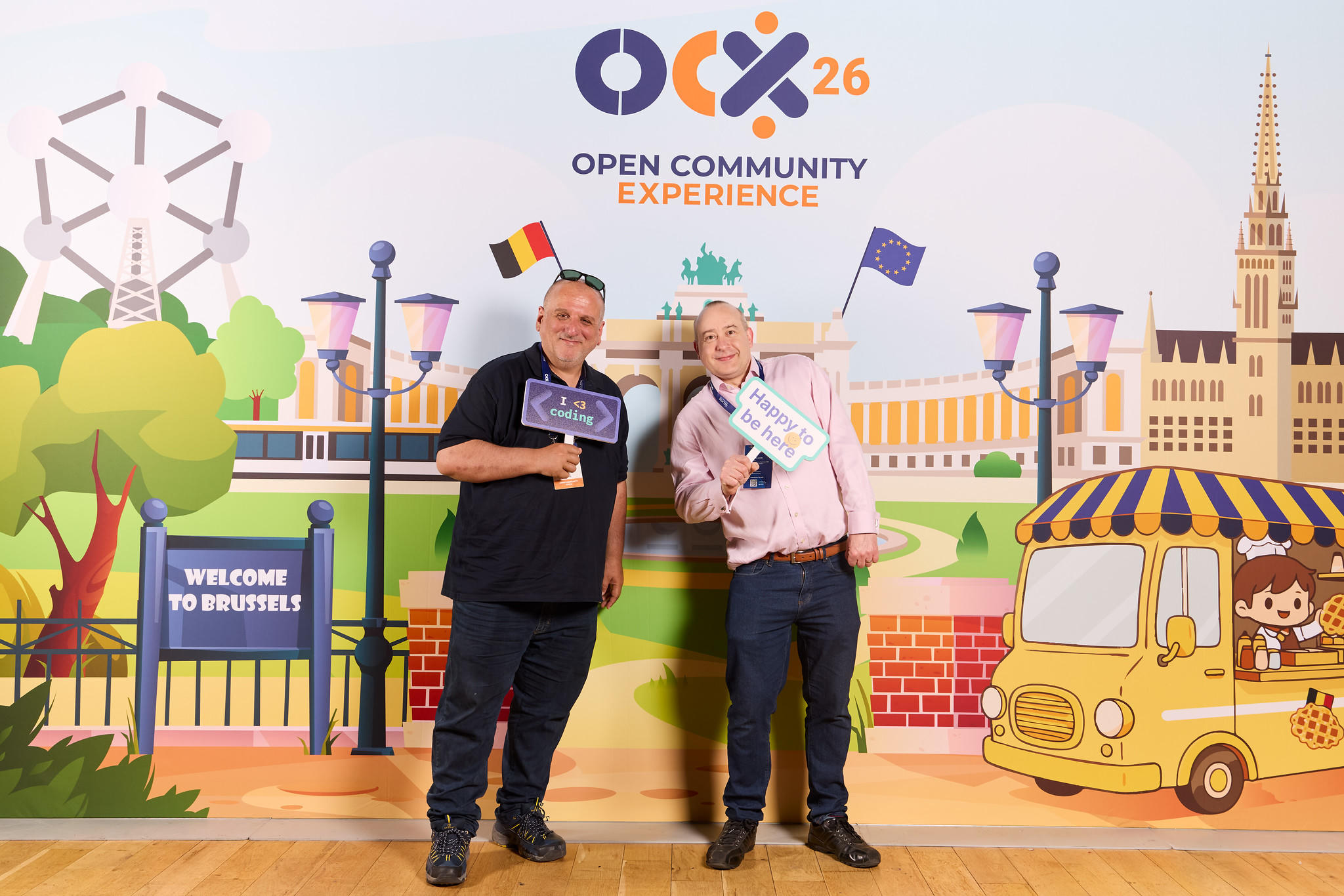
Coinciding with this David Higgins, our Community Lead, was also in Brussels at OCX26 understanding their approach to community management and gathering ideas as we help build a stronger community in GovStack around our working groups.
In May Yuliia was at ID4Africa, this event always brings together a lot of focus on Identity and Wallet solutions and it was great that Yulia could attend and spend quality time talking to Adopters and Solutions providers.
Read more of her reflections here.

It was great to see so many other members of the GovStack community also there including Jaume Dubois, Smita Selot, Ed Duffas, Rounak Nayak, Oleksandr Iefremov and many more.
If you are travelling to events please let us know so we can regularly update the community and ensure when we get the chance to meet up we can even if informally.
Where will be next…
Coming up. David Higgins, Puja Raghavan and Andrea Donath will all be at UN Open Source week in New York 22-26th June. We know other members of the GovStack community from OpenSPP, Civic Actions and OpenCRVS will be there and we are sure there will be many more please say hi if you are there and be sure to attend the GovStack session on Women in GovTech at 15:00 on 24th June.
In early July (7th – 10th) we know members of the GovStack team will be attending WSIS and AI for Good Global Summit (organised by the ITU with over 50 partners) in Geneva. If you will be there please let us know so we can catchup, you can contact David who will be there in person.
Cross-Functional ID developing a Trust Framework Reference Architecture
When a government officer scans a digital ID or a system automatically verifies a credential, something invisible but essential has to happen first: every party involved needs to agree on the rules. Who is allowed to issue credentials? How should they be verified? What happens if something goes wrong? These agreements don’t come from the technology itself — they come from a Trust Framework.
A Trust Framework is a set of policies, standards, and rules that define how different actors in a digital identity ecosystem — governments, agencies, service providers, and citizens — can trust each other’s systems and data. Without it, even the best technical infrastructure can fail to deliver: a credential issued by one ministry may not be accepted by another, or a digital ID may work in one country but be unrecognizable in the next.
The Cross-Functional Identity Working Group is now developing a Trust Framework Reference Architecture to give implementers a concrete, reusable foundation for establishing this layer of governance. The goal is to make it easier for governments to define the rules of their identity ecosystems — not just build the systems themselves.
Join the discussion on our Slack channels or by visiting the Cross-Functional ID Working Group page.
Architecture Working Group Starts working on Domain Reference Architectures
Implementing Building Blocks in specific domains takes more than installing a software. How do you turn a government Wallet into a complete ecosystem, where ministries can emit credentials and there’s safe mechanisms to validate them? How do you turn a database into an official Population Registry? Most of these questions involve an amount of governance at planning.
The Architecture Working Group is developing the concept of Domain Reference Architecture, which is meant to guide implementers into the different roles and governance an organization may need when starting an implementation. Working Groups are already developing work on this, such as the Trust Framework Reference Architecture by the Cross-Functional ID WG, and the Trusted Registries Reference Architecture by the Registries and Registration Working Group.
Join the discussion on our slack channels or by visiting the Architecture Working Group page.
New Sandbox Demo Shows How DPI Can Power Cross-Border Payments
Cross-border payments may sound routine, but behind every transaction lies a complex web of regulations, currencies, compliance requirements, and interconnected systems. A new GovStack sandbox demo, built in collaboration with Mifos Payment Hub EE and Mastercard Move, shows how modular Digital Public Infrastructure can cut through that complexity.
The demo simulates a real-world scenario: a Zimbabwean civil servant issuing a pension payment to a former government employee living in South Africa. It uses Mifos Payment Hub EE as the Payment Building Block, orchestrating payments through Mastercard Move for cross-border processing — delivering near real-time transactions, end-to-end visibility, and a reusable, open architecture that can extend across public services.
Read the full blog post for a deeper look at the implementation, or try the demo yourself. You can also explore GovStack’s Payment Specifications, Mifos Payment Hub EE, and Mastercard Move.
Registries Working Group Re-scoping Their Building Blocks to Pave the Way for the Next Wave of Trusted Registries
Most digital government services rely on two fundamental capabilities working together: storing authoritative data about people, places, or things — and managing the processes by which that data is collected, validated, and updated. These are the roles of the Registries and Registration Building Blocks. But how exactly should they interact? Where does one end and the other begin?
The GovStack Registries and Registration Working Group is taking a deep look at this question, to produce updated specifications for both Building Blocks that reflect how they work together in practice. Getting this boundary right matters beyond taxonomy: a well-scoped Registry Building Block is the foundation for Trusted Registries: systems that don’t just store data, but can reliably vouch for it across institutions, borders, and use cases.
To explore the topic before finalizing the updates, Working Group members have authored three discussion articles — and they are now open for public comment:
The Relationship between Digital Registries and Registration — An Ecosystem View
Digital Registries BB: From Uniform Platform to Optional API Families
Digital Registries BB: Denoting Single Sources of Truth and the updated Describing a Registries Reference Architecture for Governed Registries
Comments can be submitted directly in each document. If you’d like to contribute to shaping this next generation of specifications, find out more about the Registries and Registration Working Group here. Technical experts, implementers, country practitioners, and field adopters are all welcome.